
Deep Tissue Massage for Athletes: Benefits & Recovery
Table of Contents
How Deep Tissue Massage Benefits Athletes
Muscle Recovery and Reducing DOMS
Improving Range of Motion and Flexibility
Deep Tissue Massage vs. Sports Massage: What's the Difference
How Often Should Athletes Get Massages
Deep Tissue Massage for Injury Prevention and Scar Tissue
What to Expect and When to See Results
Frequently Asked Questions
Last Updated: September 18, 2026
How Deep Tissue Massage Benefits Athletes
Deep tissue massage athletes rely on targets the deeper layers of muscle and connective tissue to address the specific demands of training and competition. Unlike lighter massage styles, this technique applies sustained pressure and slow strokes to reach the structures beneath the surface where tension and restriction accumulate.
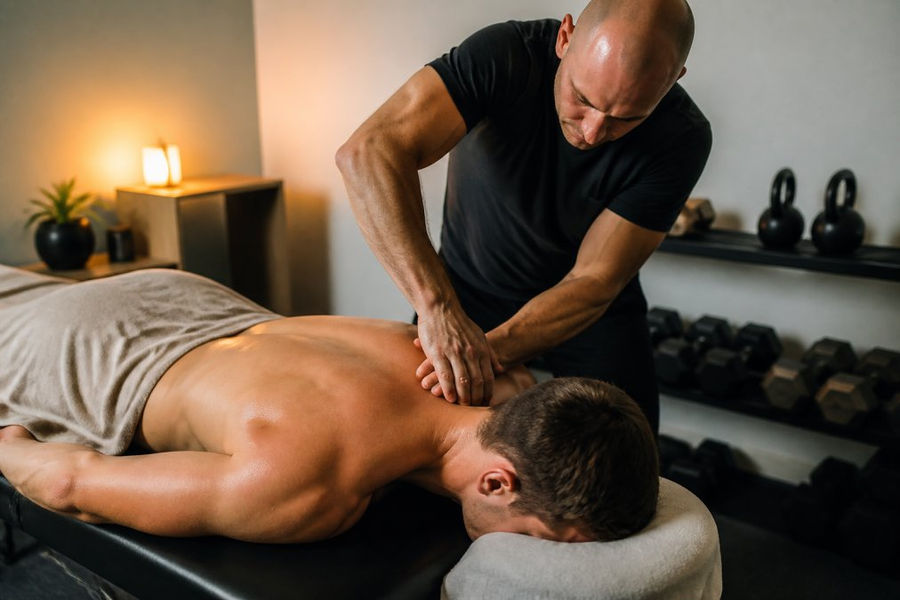
At GETaMASSAGE, we provide expert, customized bodywork sessions tailored to your specific physical needs and wellness goals. The technique works by breaking down adhesions, areas where muscle fibers stick together, and restoring normal movement patterns. Athletes often notice they can move more freely and with less discomfort after just a few sessions.
The benefits extend beyond immediate relief. Regular deep tissue massage helps athletes maintain tissue quality, which directly impacts performance and injury risk. This is particularly valuable for those training consistently or recovering from previous injuries.
Pro Tip Start with a consultation to identify your specific problem areas. A skilled therapist will adjust pressure and focus based on your sport, training volume, and injury history. This targeted approach delivers better results than a generic session.
Muscle Recovery and Reducing DOMS
Delayed onset muscle soreness (DOMS) typically peaks 24-72 hours after intense exercise, particularly when you introduce new movements or increase training volume. Deep tissue massage can help reduce the severity and duration of this soreness by improving circulation and facilitating the removal of metabolic byproducts that accumulate in muscle tissue.
When muscles work hard, they develop micro-tears and inflammation. Blood flow to the area increases naturally, but deep tissue massage accelerates this process. The technique stimulates blood circulation, which delivers oxygen and nutrients to damaged tissue while removing waste products more efficiently. Many athletes report that soreness feels less intense and resolves faster when they incorporate massage into their recovery routine.
The timing matters. Massage is most effective within 24-48 hours after intense training, when inflammation is still elevated but tissue is stable enough for firm pressure. Some athletes schedule sessions the day after particularly demanding workouts.
Key Takeaway Deep tissue massage reduces DOMS duration and intensity by improving circulation and metabolic clearance. This means faster return to full training capacity and less discomfort during the recovery window.
Improving Range of Motion and Flexibility
Restricted range of motion often stems from muscle tension, scar tissue, or adhesions that limit how freely joints can move. Deep tissue massage directly addresses these restrictions by releasing the muscular and connective tissue tension that prevents normal movement.
Vivir Wellness
Athletes frequently discover that tight muscles are limiting their performance. A runner with tight hip flexors, a cyclist with restricted shoulders, or a tennis player with limited trunk rotation all experience improved mobility after targeted deep tissue work. The technique breaks down adhesions and reduces muscle guarding, the protective tension muscles maintain when they feel threatened or fatigued.
Improved range of motion translates directly to better biomechanics. When joints can move through their full available range, you use muscles more efficiently, reduce compensatory patterns that lead to injury, and often perform better. Flexibility gains can appear with regular work.
Combining deep tissue massage with active stretching amplifies results. After a session, your muscles are more receptive to lengthening, making this an ideal time for targeted stretching work. This combination approach addresses both the tissue quality and the neuromuscular patterns that limit mobility.
Deep Tissue Massage vs. Sports Massage: What's the Difference
The distinction between deep tissue massage and sports massage matters because they serve different purposes, though the terms are sometimes used interchangeably.
Deep tissue massage focuses on releasing chronic tension and adhesions within muscle and connective tissue. It uses sustained pressure, slow strokes, and targeted techniques to reach deeper layers. The goal is often addressing pain, restoring mobility, or breaking down scar tissue from past injuries. This approach works well for athletes with chronic tightness, postural issues, or recovery from previous injuries.
Sports massage is specifically designed around athletic performance and training cycles. It may incorporate deeper pressure when needed, but it also includes techniques like stretching, compression, and cross-fiber friction tailored to the demands of specific sports. Sports massage therapists understand training schedules and adjust their approach based on whether you're in a heavy training phase, taper period, or recovery week.
The choice depends on your primary need. If you're managing chronic tension or recovering from an old injury, deep tissue massage provides sustained, focused pressure. If you're actively training and want massage integrated with your training cycle, sports massage offers sport-specific application.
Many athletes benefit from both. Some use deep tissue massage for maintenance and addressing problem areas, then add sports massage sessions during intense training phases or before competitions.
How Often Should Athletes Get Massages
Frequency depends on your training volume, intensity, and specific needs. There's no universal prescription; what works for a recreational runner differs from what an elite athlete requires.
Athletes in heavy training phases often benefit from massage every 1-2 weeks. This frequency helps manage cumulative tissue stress, prevents minor issues from becoming major problems, and supports recovery between demanding sessions. Lighter training phases may call for massage every 2-4 weeks as maintenance.
The real indicator is how your body responds. If you notice improved recovery, better mobility, and fewer nagging issues with regular massage, that frequency is working. If you're still experiencing soreness, tightness, or limited range of motion, you may need sessions more frequently.
Some athletes use massage strategically around competitions. A session 3-5 days before an event can address accumulated tension and optimize mobility. Massage immediately after intense competition is less common; tissue is often too inflamed and fatigued for deep work, but light recovery massage 24-48 hours post-event can support the recovery process.
When Deep Tissue Massage Is Contraindicated
Understanding when not to get deep tissue massage is as important as knowing when to schedule it. Applying firm pressure to the wrong tissue state can delay healing, increase pain, and create new problems.
Acute inflammation (0-72 hours post-injury): If you've just suffered a muscle strain, ligament sprain, or significant impact injury, avoid deep tissue massage for at least 48-72 hours. Acute inflammation is your body's healing response; deep pressure increases blood flow and swelling, potentially worsening the injury. Wait until acute pain and visible swelling have subsided. Light massage or compression may help, but deep work is counterproductive.
Severe bruising or contusions: Deep pressure over bruised tissue can rupture capillaries further and extend the injury. If you can see significant discoloration or the area is extremely tender to light touch, postpone deep work until the bruise is fading (typically 7-10 days).
Active infection or fever: Massage increases circulation system-wide. If you have an active infection, fever, or are fighting an acute illness, massage can spread the infection or tax your immune system when it's already compromised. Wait until you're fully recovered.
Thrombosis or blood clots: Deep vein thrombosis (DVT) or any clotting disorder is an absolute contraindication. Massage can dislodge clots. If you have a history of clots, are immobilized, or suspect clotting, consult your physician before massage.
Acute nerve injuries or severe neuropathy: If you have acute nerve damage, burning pain, or severe numbness, deep pressure can worsen nerve irritation. A therapist should assess the specific condition before proceeding.
Certain skin conditions: Active infections (fungal, bacterial, viral), open wounds, or severe dermatitis should not be massaged. These conditions can spread or worsen with pressure and friction.
Undiagnosed pain: If you have pain you haven't identified the source of, get medical evaluation first. Massage an undiagnosed condition can mask serious problems or make them worse. A therapist should never be your first stop for unexplained pain.
Sport-Specific Frequency Adjustments
Different sports create different tissue demands, which affects optimal massage frequency.
Endurance athletes (runners, cyclists, triathletes): High-volume, repetitive loading creates cumulative micro-trauma and adhesions. These athletes typically benefit from massage every 7-10 days during heavy training blocks. Focus areas: hip flexors, IT band, calves, and lower back for runners; shoulders, hip flexors, and lower back for cyclists.
Explosive athletes (sprinters, jumpers, powerlifters): High-intensity, low-volume training creates acute muscle tension and scar tissue from intense contractions. Massage every 10-14 days during heavy phases works well. Focus areas: hamstrings, glutes, and hip stabilizers for sprinters; shoulders, chest, and lower back for powerlifters.
Sport-specific athletes (tennis, golf, baseball): Asymmetrical loading and rotational stress create localized restrictions. Massage every 10-14 days targeting the dominant-side shoulder, core, and hip stabilizers prevents overuse injuries.
Team sport athletes (soccer, basketball, football): Variable intensity and multi-directional movement create widespread tension.
Deep Tissue Massage for Injury Prevention and Scar Tissue
Chronic muscle tension and restricted mobility create conditions for injury. When muscles are tight, they work inefficiently, movement patterns become compromised, and stress concentrates in vulnerable areas. Deep tissue massage addresses these preconditions by maintaining tissue quality and restoring normal function.
What to Expect and When to See Results
Your first session establishes a baseline. A skilled therapist will assess your movement, identify restriction patterns, and discuss your training, injury history, and goals. This information guides the session and helps set realistic expectations.
Post-Massage Recovery Protocol
Timeline for Measurable Improvements
Frequently Asked Questions
Should athletes get deep tissue massage?
Yes. Deep tissue massage accelerates muscle recovery, reduces delayed onset muscle soreness (DOMS), and improves blood circulation to damaged tissues. Athletes who incorporate regular deep tissue massage report faster recovery times between training sessions, better flexibility, and fewer injuries. A qualified massage therapist can tailor the intensity and focus areas to your specific sport and injury history.
How often should an athlete get deep tissue massage?
Most athletes benefit from deep tissue massage every 1-2 weeks during active training seasons, and every 2-4 weeks during off-season. Frequency depends on your sport, training intensity, and recovery needs. Endurance athletes (runners, cyclists) may need more frequent sessions, while those in lower-impact sports may need less. Consult with your massage therapist to establish a schedule that supports your training goals.
How long does it take to feel the benefits of deep tissue massage?
Many athletes notice improved flexibility and reduced muscle tension immediately after a session. However, sustained benefits like enhanced blood circulation, reduced chronic pain, and improved range of motion can develop with consistent application. Long-term benefits such as better injury prevention and tissue repair can become more apparent with consistent massage over several weeks.
What are the potential downsides of deep tissue massage?
Deep tissue massage can cause temporary soreness similar to muscle fatigue for 24-48 hours after a session, especially if you're new to it. Bruising may occur on sensitive areas. It's not recommended immediately after acute injuries or for certain conditions like blood clots or severe inflammation. Always inform your massage therapist about injuries, surgeries, or health conditions so they can adjust their approach safely.
Book Your Session


Comments